Évreux
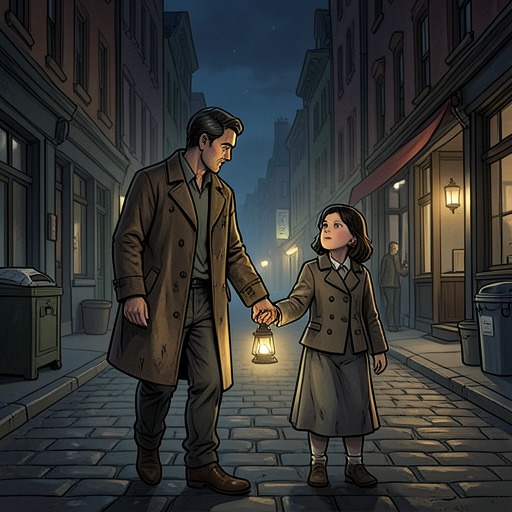
All the Light We Cannot SeeÉvreux becomes a brief, failed refuge in Marie-Laure LeBlanc and Daniel LeBlanc’s flight from Paris in June 1940. Two days after leaving the capital, they reach the town exhausted; their intended destination, a grand château on its western edge, is already burning. Instead of shelter and safety, Évreux brings them face to face with the collapse of ordinary services and the possibility that someone is pursuing the stone Daniel carries.
Arrival During the Exodus
The pair’s approach to Évreux follows a journey made on foot after Paris’s railway system fails. By one in the morning, the gendarmes have lost control of the crowds at the gates, and no train has arrived or departed for more than four hours. At dawn, Daniel decides they must walk. Their route takes them through Vaucresson, ten miles west of their apartment, where a motorway is locked with traffic: cars, vans, carts, and overloaded vehicles carrying household possessions, livestock, and families. Two days after setting out, they enter Évreux amid this larger exodus.
A Town Without Its Usual Services
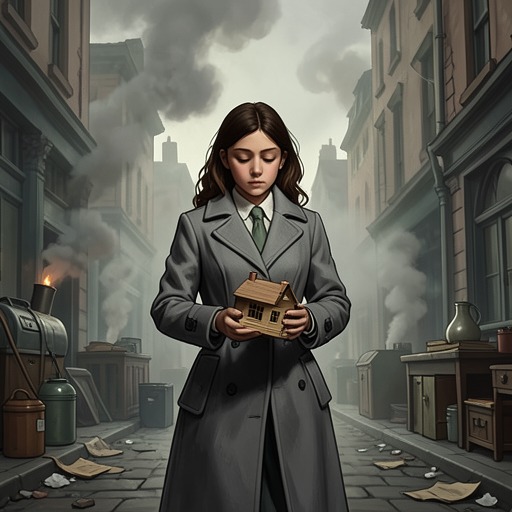
Évreux offers few signs of an intact civic life. Restaurants are either boarded up or crowded; two women in evening gowns hunch together on the cathedral steps, and a man lies facedown between market stalls, unconscious or worse. Mail has stopped, telegraph lines are down, and the latest newspaper is thirty-six hours old. At the prefecture, people wait for gasoline coupons in a queue that stretches out the door and around the block. The town is not described as wholly destroyed, but its ordinary systems have been interrupted and its streets are crowded with evidence of uncertainty and distress.
The Burning Château
At Évreux’s western edge, Daniel checks and rechecks the address given to him: Monsieur François Giannot, 9 rue St. Nicolas. The house is on fire when they arrive. A car has torn through the gate, smoke rises through the trees, and the grand facade—with its twenty French windows and freshly painted shutters—stands beside the wreckage of a burst chandelier and toppled urns. There is no fire brigade outside. Marie-Laure smells smoke; Daniel, carrying the stone deep in his rucksack, feels its weight as he approaches.
The château had represented a hoped-for end to the journey. Daniel had imagined giving Giannot the stone to examine and conceal, then resting with Marie-Laure in a private room. Instead, amid blackened papers and the smoldering house, he recognizes that someone might be coming for them and might know what he carries. He leads Marie-Laure back toward the road at a trot. Évreux thus marks not the completion of their flight but its dangerous continuation: the refuge they had been sent to is unavailable, and Daniel’s burden has become a source of immediate fear.